

Sustainability · 2025
In this section50 topics
- Sustainability Policy4 items
- Sustainability Goals & UN SDGs3 items
- Policy Review3 items
- Business Value Chain1 item
- Stakeholder Analysis1 item
- Environmental Policy & Guidelines5 items
- Environmental Policy Review2 items
- Energy — Plan & Guidelines4 items
- Energy — Electricity Consumption1 item
- Energy — Fuel Consumption2 items
- Energy — Targets2 items
- Energy — Performance & Outcomes2 items
- Water — Plan & Guidelines4 items
- Water — Withdrawal, Discharge & Consumption1 item
- Water — Targets2 items
- Water — Performance & Outcomes2 items
- Waste — Plan & Guidelines4 items
- Waste — Generation, Disposal & Recycling1 item
- Waste — Targets2 items
- Waste — Performance & Outcomes2 items
- GHG — Plan & Guidelines4 items
- GHG — Emissions1 item
- GHG — Emissions Verification2 items
- GHG — Principles & Standards1 item
- GHG — Targets1 item
- GHG — Performance & Outcomes2 items
- Environmental Legal Incidents1 item
- Other Environmental Management1 item
- Social Policy & Guidelines5 items
- Social Policy Review3 items
- Social — Principles & Standards Practised1 item
- Human Rights Due Diligence4 items
- Employees — Plan & Guidelines5 items
- Employees — Workforce1 item
- Employees — Remuneration & Provident Fund1 item
- Employees — Training & Development1 item
- Employees — Occupational Health & Safety1 item
- Employees — Labour Relations1 item
- Employees — Employee Representation2 items
- Employees — Targets2 items
- Employees — Performance & Outcomes2 items
- Customers — Plan & Guidelines5 items
- Customers — Satisfaction Results1 item
- Customers — Targets2 items
- Customers — Performance & Outcomes2 items
- Community & Social — Plan & Guidelines5 items
- Community & Social — Targets2 items
- Community & Social — Performance & Outcomes2 items
- Other Social Management1 item
- Law Violation Incidents1 item
Sustainability Policy
Has a Sustainability Policy
Yes
Policy Description
Sustainability Management Policies and Goals
The company is committed to driving business for sustainability under the framework of a Green Economy approach, emphasizing balanced growth in three dimensions: economic, social, and environmental. This encompasses all business operations throughout the supply chain, aiming to develop into an innovative organization with modern, transparent, efficient, and socially and environmentally responsible personnel and management systems.
Furthermore, the company is committed to contributing to the advancement of the United Nations' Sustainable Development Goals (SDGs) in accordance with the ESG (Environment, Social, and Governance) framework, which covers environmental, social, and governance dimensions. The company has linked the sustainable development goals to its organizational sustainability management policies and targets, focusing on 5 key goals.
1. Enhance the quality of life and well-being for everyone of all ages through the procurement and distribution of safe and health-promoting products for consumers.
2. Commit to developing and improving energy efficiency in both business operations and the value chain to support the assurance of sustainable energy use.
3. Increase access to economic, social, and political opportunities, regardless of age, gender, physical disability, race, ethnicity, origin, religion, economic status, or other factors.
4. Promote sustainable production and consumption practices, which include efficient and sustainable use of natural resources, reduction of food waste, reduction and proper management of chemical and toxic waste released into nature, and waste reduction through reuse and recycling.
5. Support low-carbon development, operating in conjunction with the integration of climate change adaptation measures and sustainable natural resource management, particularly reducing direct and indirect greenhouse gas emissions throughout the value chain.
Policy Document Link
https://www.sunvending.co.th/storage/downloads/corporate-governance/corporate-policies/20240401-svt-sustainability-management-policies-and-goals-en.pdf
Page Number in Report
1
Sustainability Goals & UN SDGs
Has Sustainability Goals
Yes
Goals Description
Sustainable Development Goals
1. Reduce fuel consumption rate of 1 vehicle by 5% within 3 years (2025-2027)
2. Reduce electricity consumption at factories, offices, and branches by 10% within 3 years (2025-2027)
3. Transition to electric vehicles (EVs) for at least 5 corporate vehicles within 3 years (2025-2027)
4. Reduce vehicle maintenance costs by 5% within 3 years (2025-2027)
5. Reduce paper usage (Paperless) within the organization by 20% within 3 years (2026-2028)
UN Sustainable Development Goals
| SDG Goal |
|---|
| Goal 3 Good Health and Well-being |
| Goal 3 Good Health and Well-being |
| Goal 3 Good Health and Well-being |
| Goal 7 Affordable and Clean Energy |
| Goal 7 Affordable and Clean Energy |
| Goal 7 Affordable and Clean Energy |
| Goal 10 Reduce Inequalities |
| Goal 10 Reduce Inequalities |
| Goal 10 Reduce Inequalities |
| Goal 12 Responsible Consumption and Production |
| Goal 12 Responsible Consumption and Production |
| Goal 12 Responsible Consumption and Production |
| Goal 13 Climate Action |
| Goal 13 Climate Action |
| Goal 13 Climate Action |
Policy Review
Policy Reviewed This Year
Yes
Policy Changed This Year
Yes
Review Details
Sustainability Material Topics
In 2025, the company identified and prioritized key sustainability topics to determine issues that significantly impact its business operations across economic, social, and environmental dimensions. This process also aimed to address stakeholder expectations and serve as a foundation for developing effective and continuous sustainability strategies and action plans.
Sustainability Materiality
The company places great importance on defining sustainability material topics (Materiality) as a framework for managing and driving balanced business growth across economic, social, and environmental aspects. The identification, analysis, and assessment of material topics were conducted in alignment with the company’s vending machine business operations and related supply chain. The company follows the Global Reporting Initiative (GRI) reporting framework and discloses information in accordance with the SET Reporting Guide to ensure transparency, comprehensiveness, and responsiveness to stakeholder expectations.
Identification of Material Topics
The company identifies sustainability material topics by considering stakeholders throughout the value chain, covering economic, social, and environmental dimensions. Both internal and external factors are analyzed, such as business strategies and stakeholder expectations, to prioritize key issues and guide effective and sustainable management.
Prioritization of Material Topics
The company prioritizes sustainability topics by assessing their significance to stakeholders alongside the nature of the vending machine business. This ensures that the identified topics reflect both the business impact and stakeholder expectations comprehensively.
Review of Material Topics
The company reviews the prioritized material topics to develop sustainability strategies aligned with its vending machine business operations. This includes energy management, technology, service quality, and supply chain management. Regular reviews are conducted to ensure alignment with changing business contexts and stakeholder expectations.
Continuous Improvement of Reporting
The company continuously reviews sustainability information and gathers feedback from stakeholders to ensure that its business operations and sustainability topics effectively address stakeholder needs and expectations.
Results of the Materiality Assessment
In 2025, the company and its stakeholders identified the following key sustainability topics:
Economic
Continuous business growth
Compliance with laws and regulations
Transparent corporate governance
Fair procurement practices
Social
High-quality and safe products and services
Employee health, safety, and occupational well-being
Efficient and responsive customer communication channels
Fair and equitable welfare and compensation
Community and social development
Environmental
Effective environmental management
Business operations aligned with ESG principles
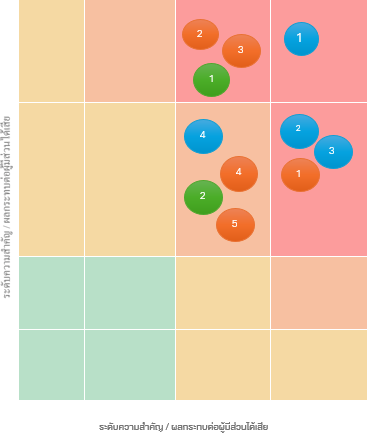
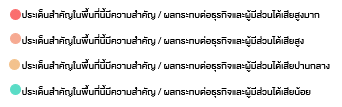
Based on the materiality assessment, the company places strong emphasis on sustainable business operations by identifying key sustainability issues that impact both the business and its stakeholders across economic, social, and environmental dimensions.
Economic Dimension
The company focuses on achieving continuous and stable growth in its vending machine business. It strictly complies with all applicable laws, regulations, and requirements, upholds transparent and accountable corporate governance, and ensures fair and ethical procurement practices.
Social Dimension
The company is committed to providing high-quality and safe products and services that meet customer needs. It prioritizes employee health, safety, and occupational well-being, maintains efficient and responsive communication channels with customers, and offers fair and equitable welfare and compensation. The company also supports ongoing community and social development initiatives.
Environmental Dimension
The company is dedicated to effective environmental management, minimizing the environmental impact of its vending machine operations, and conducting business in line with ESG principles. This approach aims to balance business growth with long-term social and environmental responsibility.
Business Value Chain
Value Chain Description
Activities in the business value chain
Comprising 5 interconnected activities within the context of the company's business operations, as follows:
1. Product Sourcing. Sourcing products with consideration for quality and partners' sustainability practices, including the assessment of ESG-related risks.
2. Assembly and Sale of Vending Machines. Assembly and sale of quality vending machines that meet customer needs, coupled with operations that consider environmental and social impacts.
3. Delivery and Distribution. Receiving, storing, and distributing products with consideration for product quality and freshness.
4. Product Distribution and Marketing. Distribution of products through vending machines, emphasizing equitable access to goods and services.
5. After-Sales Service. Receiving and managing customer complaints and feedback, considering feasibility and maintaining a balance of expectations from stakeholders across the entire value chain.
In addition, the company has conducted activities with partners to enhance capabilities and elevate sustainable business operations. Sun Vending Technology Public Company Limited collaborated with Saha Pathanapibul Public Company Limited to organize a Behavior-Based Safety (BBS) training course on December 22, 2025, at the headquarters in Krungthep Kreetha, to promote a safety culture at work. Furthermore, a partner evaluation activity based on ESG (Environmental, Social, and Governance) criteria was conducted on November 18, 2025, with the objective of strengthening sustainability standards in the supply chain and elevating common practices between organizations, thereby creating sustainable benefits for both the company's and its partners' business operations. For more details on partner sustainability assessment results, please visit https://www.sunvending.co.th/storage/downloads/corporate-governance/esg/svt-esg-on-site-audit-th.pdf
More details on the website https://www.sunvending.co.th/th/updates/company-news-and-events?year=2025
Stakeholder Analysis
Stakeholder Analysis
| Stakeholder Type | Stakeholders | Stakeholder Expectations | Response to Expectations | Communication Activities |
|---|---|---|---|---|
| External stakeholders | 2931 · Description: Government agencies and Regulators | Compliance with Regulations The company's business operations in accordance with the Bio-Circular-Green Economy (BCG Model) principles for sustainable development, as per the 2021 National Agenda announcement. | Comply with and support policies from regulatory bodies and government agencies. Study and apply the Bio-Circular-Green Economy concept to sustainable business practices. Continuously monitor government policies to enable timely formulation of business strategies. | 2949 · Other name: www.sunvending.co.th · Description: Others |
| External stakeholders | 2899 · Description: Suppliers · 2918 · Description: Contractors | Impacts arising from changes in procurement practices in accordance with ESG guidelines; Business growth and stability; Fair procurement and timely payments. | Establish procurement practices with partners or contractors in accordance with ESG principles. Provide channels for receiving suggestions or feedback. Disclose key procurement information. | 2941 · Description: Online Communication · 2942 · Description: Internal Meeting |
| External stakeholders | 2915 · Description: Consumers · 2923 · Description: Customers | Delivery of quality products that meet the needs of customers and consumers Hygiene, safety, and nutritional suitability of food and beverages Effective and prompt communication with customers | Performance reviews are conducted to improve and develop product quality as a regular agenda item in meetings. Safety and nutritional standards are established for selecting products for distribution to consumers. Channels are opened for receiving suggestions or feedback through call center systems and social media. | 2941 · Description: Online Communication · 2942 · Description: Internal Meeting |
| Internal stakeholders | 2921 · Description: Employees | Career growth opportunities Fair welfare and compensation Fair and equitable treatment of employees Safe and suitable working environment | Promote the enhancement of employee capabilities, both in professional skills and other supporting skills, along with setting clear key performance indicators. Fairly consider compensation and benefits for employees, taking into account market wages compared to other companies. Establish transparent practices for employees. Establish safety and occupational health work practices, and emphasize strict adherence. Provide channels for employees to present various opinions to management. | 2941 · Description: Online Communication · 2942 · Description: Internal Meeting |
| External stakeholders | 2904 · Description: Investors or investment institutions · 2913 · Description: Shareholders | Continuous growth in operating performance Transparent corporate governance Operating business in accordance with ESG principles | Management conducts analysis and feasibility studies, covering both budget and return on investment for each project, before making a decision. Governance can be transparently audited. Listens to feedback to improve operations. Discloses important ESG-related information to build comprehensive and integral confidence among stakeholders. Integrates ESG-related operations into the development of business and strategic plans. | 2941 · Description: Online Communication · 2944 · Description: Annual General Meeting (AGM) |
| External stakeholders | 2902 · Description: Community · 2928 · Description: Society | Potential safety and environmental impacts from business operations. Participation in community development, including providing knowledge, creating careers and income, and supporting funding or equipment beneficial to the community. | Establish guidelines and manage business activities to mitigate potential adverse effects on society and the environment. Promote the establishment of projects that foster participation among the company, community, and society. | 2940 · Description: Social Event · 2941 · Description: Online Communication |
| External stakeholders | 2929 · Description: Media | >Factual information | Disclose important company information, news, and operational results that are transparent and verifiable. | 2939 · Description: Press Release · 2940 · Description: Social Event · 2941 · Description: Online Communication · 2944 · Description: Annual General Meeting (AGM) |
| External stakeholders | 2898 · Description: Competitors | Fair Competition | Conduct business ethically and strictly comply with trade competition law. | 2941 · Description: Online Communication · 2949 · Other name: Direct contact on a case-by-case basis · Description: Others |
Environmental Policy & Guidelines
Has an Environmental Policy
Yes
Policy Description
Environmental Policy and Practices
The Company establishes environmental practices in line with its sustainable business drive policy. The Company focuses on conducting business with environmental responsibility and provides guidelines for environmental management to support the Sustainable Development Goals (SDGs), which include:
Goal 7: Affordable and Clean Energy (Affordable and Clean Energy)
Goal 12: Sustainable Consumption and Production (Responsible Consumption and Production)
Goal 13: Climate Action (Climate Action)
by focusing on reducing the environmental footprint or environmental impact resulting from the company's business operations (Reducing Environmental Footprint) through controlling, preventing, and mitigating adverse impacts from business operations on the environment, such as reducing greenhouse gas emissions or waste. This also includes building business resilience to adapt to environmental changes (Environmental Business Resilience).
Policy Document Link
https://www.sunvending.co.th/storage/downloads/corporate-governance/corporate-policies/20240401-svt-environmental-policies-and-practices-en.pdf
Page Number in Report
1
Environmental Guidelines
| Guideline |
|---|
| Electricity Management |
| Fuel Management |
| Renewable/Clean Energy Management |
| Water Management |
| Waste Management |
| Biodiversity Management |
| Greenhouse Gas and Climate Change Management |
Environmental Policy Review
Policy Reviewed This Year
No
Review Details
Over the past year, the company has not reviewed or updated its environmental policies, practices, and/or targets, and continues to operate under the previously established policy framework and practices.
Energy — Plan & Guidelines
Has an Energy Management Plan
Yes
Plan Description
The company recognizes the importance of reducing energy consumption and utilizing energy most effectively, as well as raising awareness among stakeholders regarding energy conservation. To this end, the company has implemented various measures to respond to sustainable energy management, as follows:
Enhancing efficiency / Reducing energy consumption in vending machines
The company is committed to becoming a leader in energy-efficient vending machines. It procures new models of vending machines with highly efficient cooling systems, aiming to reduce electronic waste, minimize the use of new resources, lower carbon emissions, and promote a circular economy.
Reducing energy consumption in transportation
The company recognizes business activities that are high energy consumers due to fuel usage in transportation, including the distribution of consumer goods and the transport of vending machines for installation and maintenance. Therefore, it has established guidelines for reducing energy consumption by focusing on developing smart systems for vending machines to transmit sales and product loading data, thereby enhancing the efficiency of warehouse and logistics management. It also promotes the maximum utilization of circulating spare parts for maintenance at each branch to reduce the need for transporting machines back to the factory for repairs, which further contributes to reducing energy consumption in transportation.
The company aims to reduce Fuel consumption rate per vehicle to be reduced by 5% within 3 years (2025-2027).
Efficient energy consumption in office buildings
The company promotes energy conservation activities by setting specific times for turning off lighting systems during employees' lunch breaks. Furthermore, the company is in the process of implementing various energy-saving technologies to enhance energy efficiency within office buildings, aiming for permanent and sustainable reduction in electricity consumption.
The company aims to reduce electricity consumption at its factories, offices, and branches by 10% within 3 years (2025-2027).
Increasing the proportion of renewable energy use
To promote energy conservation and the use of clean energy, the company has already installed solar power generation systems (solar cells) at its factory and head office building, and plans to expand the installation of solar cell systems to various branches.
The company aims to transition to electric vehicles (EVs) for at least 5 corporate vehicles within 3 years and reduce vehicle maintenance costs by 5% within 3 years (2025-2027), in order to increase the proportion of clean energy use, reduce production costs, and positively impact the environment in the long term.
Plan Document Link
https://www.sunvending.co.th/storage/downloads/sustainable-development/environmental/svt-the-management-of-energy-consumption-en.pdf
Page Number in Report
2-3
Energy — Electricity Consumption
Electricity Consumption
| Metric | Current Year | Previous Year | Two Years Ago |
|---|---|---|---|
| Total electricity consumption within the organization (Kilowatt-Hours) | 3,275,965.71 | 3,490,234.47 | 1,763,225 |
| Electricity purchased for consumption from non-renewable energy sources (Kilowatt-Hours) | 3,000,334.71 | 3,207,019.14 | |
| Electricity purchased or generated for consumption from renewable energy sources (Kilowatt-Hours) | 275,631 | 283,215.33 |
Energy — Fuel Consumption
Fuel Consumption
| Metric | Current Year | Previous Year | Two Years Ago |
|---|---|---|---|
| Crude oil (Barrels) | |||
| Coal (Metric tonnes) | |||
| Jet fuel (Litres) | |||
| Diesel (Litres) | 1,146,666.4 | 1,142,572.45 | 1,122,383.33 |
| Gasoline (Litres) | 46,646.48 | 48,104.08 | 1,064.25 |
| Fuel oil (Litres) | |||
| Natural gas (Standard cubic feet) | |||
| LPG (Kilograms) | 30 | 90 | |
| Steam (Metric tonnes) |
Other Fuels
| Fuel | Unit | Current Year | Previous Year |
|---|---|---|---|
| NGV | 1672 · Description: Kilograms | 1,076.65 | 15,073.49 |
Energy — Targets
Has Set Targets
Yes
Targets
| Target | Base Year | Target Year | Target Change (%) | Unit |
|---|---|---|---|---|
| Reduction of fuel consumption | 2,024 | 2,027 | 5 | Litres |
| Reduction of electricity purchased for consumption | 2,024 | 2,027 | 10 | Kilowatt-hour |
Energy — Performance & Outcomes
Has Performance Results
Yes
Performance Description
Optimizing / Reducing energy consumption in vending machines
In 2025, the Company continuously procured new models of vending machines from leading international brands. The Company's vending machines are distinguished by their energy conservation features, including the development of high-efficiency cooling systems specifically for vending machines, utilizing compressors that use refrigerants. R290 (Propane) which is a natural substance which possess environmentally friendly properties, do not cause ozone depletion, and have a low global warming potential compared to conventional refrigerants. Furthermore, the use of R290 helps reduce long-term environmental impact as it is not a synthetic chemical that accumulates, and it also offers good energy efficiency, thereby indirectly reducing carbon dioxide emissions from energy consumption.
Reducing energy consumption in transportation
In 2025, the Company installed Smart Systems for vending machines, accounting for 70% of the total number of machines. This will enable the Company to manage its warehouse and logistics systems more efficiently. Furthermore, the Company promotes the maximum reuse of spare parts for maintenance at each branch to reduce the transportation of units back to the factory for repair, thereby contributing to a reduction in transportation energy.
Efficient energy utilization in office buildings
In 2025, the Company increasingly implemented various energy-saving technologies within the organization, such as installing high-efficiency air conditioning systems with automatic on/off controls, installing solar power systems for indoor lighting, and promoting energy conservation activities by setting specific times for turning off electricity during employees' lunch breaks.
In 2025, the Company installed a solar rooftop power generation system for use at its head office. This initiative supports the use of clean energy, reduces reliance on external electricity, and aligns with the Company's environmentally friendly business practices.
Increasing the proportion of renewable energy use
The Company prioritizes increasing the use of renewable energy to reduce reliance on fossil fuels and support environmentally friendly business operations.
In 2025, the Company began incorporating two electric vehicles (EVs) into its operations to replace fuel-powered vehicles. This initiative helps reduce energy consumption from fossil fuels and lowers greenhouse gas emissions from the Company's transportation activities. Such actions represent a commitment to supporting clean energy and are an integral part of the Company's sustainable business development.
Additionally, the Company conducts campaigns to reduce resource consumption, such as reducing paper usage and displaying signs or media (e.g., "Turn off lights when not in use" / "Conserve water") to support operations in line with the Company's environmental and sustainability policies and to promote sustainable resource reduction.
Water — Plan & Guidelines
Has a Water Management Plan
Yes
Plan Description
Water Management
The company recognizes and prioritizes efficient water resource management. The company's water usage is limited solely to consumption within office buildings, factories, and warehouses. The company does not use water in any production processes.
However, the company recognizes that water resources are a fundamental factor supporting business operations in all areas where the company operates. Therefore, it has continuously established guidelines to promote and campaign for the economical and efficient use of water, in order to ensure appropriate resource utilization, reduce unnecessary waste, and support sustainable natural resource conservation.
Plan Document Link
https://www.sunvending.co.th/storage/downloads/sustainable-development/environmental/svt-water-management-en.pdf
Page Number in Report
1
Water — Withdrawal, Discharge & Consumption
Water Withdrawal, Discharge & Consumption
| Metric | Current Year | Previous Year | Two Years Ago |
|---|---|---|---|
| Total water withdrawal (Cubic meters) | 15,977.08 | 18,748.9 | 14,474.19 |
| Total water withdrawal by third-party water (Cubic meters) | |||
| Total water withdrawal by surface water (Cubic meters) | |||
| Total water withdrawal by groundwater (Cubic meters) | |||
| Total water withdrawal by seawater (Cubic meters) | |||
| Total water withdrawal by produced water (Cubic meters) | |||
| Percentage of wastewater treated before discharge (%) | |||
| Total water discharge (Cubic meters) | |||
| Total water discharge to third-party water (Cubic meters) | |||
| Total water discharge to surface water (Cubic meters) | |||
| Total water discharge to groundwater (Cubic meters) | |||
| Total water discharge to seawater (Cubic meters) | |||
| Total water consumption (Cubic meters) | 15,977.08 | 18,748.9 | 14,474.19 |
| Recycled water (Cubic meters) |
Water — Targets
Has Set Targets
Yes
Targets
| Target | Base Year | Target Year | Target Change (%) | Unit |
|---|---|---|---|---|
| Reduction of water withdrawal | 2,024 | 2,027 | 20 | Cubic meters |
Water — Performance & Outcomes
Has Performance Results
No
Performance Description
The company does not directly use water in its production processes, but it continues to prioritize efficient water resource management. To this end, it has continuously campaigned for executives and employees to use water sparingly and appreciate its value.
In 2025, the company's total water consumption was 15,977.08 cubic meters, a decrease from 2024, when the total water consumption was 18,748.90 cubic meters, representing a reduction of approximately 14.79%. This reflects efficient water resource management and the promotion of water conservation measures within the organization.
Waste — Plan & Guidelines
Has a Waste Management Plan
Yes
Plan Description
Waste, By-products, and Pollution Management
The Company places great importance on the management of waste and industrial waste, focusing on maximizing resource efficiency according to the 3R principles (Reduce, Reuse, Recycle) to reduce environmental impact and promote sustainable business operations. This is achieved by recirculating raw materials and waste throughout the supply chain. The Company is developing a more efficient waste management system, emphasizing clear waste segregation across all branches and factories to facilitate waste sorting and recycling.
Plan Document Link
https://www.sunvending.co.th/storage/downloads/sustainable-development/environmental/svt-waste-management-en.pdf
Page Number in Report
1
Waste — Generation, Disposal & Recycling
Waste Generation, Disposal & Recycling
| Metric | Current Year | Previous Year | Two Years Ago |
|---|---|---|---|
| Total waste generated (Kilograms) | 9,466 | 10,700 | 0 |
| Non-hazardous waste (Kilograms) | |||
| Non-hazardous waste - Landfilling (Kilograms) | |||
| Non-hazardous waste - Incineration (with energy recovery) (Kilograms) | |||
| Non-hazardous waste - Incineration (without energy recovery) (Kilograms) | |||
| Non-hazardous waste - Other disposal operations (Kilograms) | |||
| Hazardous waste (Kilograms) | |||
| Hazardous waste - Landfilling (Kilograms) | |||
| Hazardous waste - Incineration (with energy recovery) (Kilograms) | |||
| Hazardous waste - Incineration (without energy recovery) (Kilograms) | |||
| Hazardous waste - Other disposal operations (Kilograms) | |||
| Total reused/recycled waste (Kilograms) | |||
| Reused/Recycled non-hazardous waste (Kilograms) | |||
| Reused non-hazardous waste (Kilograms) | |||
| Recycled non-hazardous waste (Kilograms) | |||
| Reused/Recycled hazardous waste (Kilograms) | |||
| Reused hazardous waste (Kilograms) | |||
| Recycled hazardous waste (Kilograms) |
Waste — Targets
Has Set Targets
Yes
Targets
| Waste Type | Disposal Approach | Target | Base Year | Target Year | Target Change (%) | Unit | Unit — Please Specify |
|---|---|---|---|---|---|---|---|
| Non-hazardous waste | 2763 · Other name: Reduce paper consumption within the organization and digitize document storage. · Description: Other | Reduce waste volume | 2,026 | 2,028 | 20 | Other | ream |
Waste — Performance & Outcomes
Has Performance Results
No
Performance Description
In 2025, the company prioritized systematic environmental management, focusing on reducing waste from vending machine operations, proper industrial waste management, controlling and reducing air pollution, as well as promoting appropriate waste segregation and reducing paper consumption within the organization to enhance resource efficiency and sustainably minimize environmental impact.
Waste Reduction from Vending Machines
As the company's business involves a large number of electronic devices or components, there may be surplus electronic devices or components from vending machines, both from manufacturing and maintenance processes. Therefore, the company prioritizes maximizing the utility of electronic devices or components by rotating perfectly functional parts for use and as repair spare parts. The company possesses expertise in refurbishing and assembling machines to ensure efficient operation, thereby extending their lifespan. Furthermore, the company provides training to each branch, enabling them to troubleshoot machine issues independently without needing to return them to the factory.
Industrial Waste Management
Regarding industrial waste from production processes that cannot be reused, the company focuses on strictly complying with regulations for disposal measures that do not impact the environment and are in accordance with the laws and guidelines of the Department of Industrial Works. Currently, the company employs a specialized comprehensive industrial waste disposal service provider, Better World Green Public Company Limited, to properly dispose of waste such as paint-contaminated thinner, fiberglass, light bulbs, plastics, and other items from the factory in accordance with standards.
Air Pollution Management
The company places great importance on strictly controlling air pollution in accordance with legal requirements to support occupational health and safety principles in the workplace and reduce environmental impact. The company is aware of potential pollution from its production processes, specifically chemicals from the powder coating process of vending machines.
Consequently, the company has established annual guidelines for controlling and measuring air pollution, in accordance with the standards for hazardous chemical concentration limits as per the announcement of the Department of Labor Protection and Welfare (B.E. 2560 / 2017).
In 2025, the company conducted annual air pollution measurements for chemicals that may arise from the painting process of vending machines. The inspection types are categorized into two types as follows:
1. Workplace area inspection, totaling 6 items, including Lead, Benzene, Toluene, Styrene, Copper, total particulate matter, and fine particulate matter.
2. External stack emissions inspection, totaling 4 items, including (1) Total Particulate Matter (2) Xylene (3) Butyl Acetate and (4) Propylene Glycol
The evaluation measurements were conducted by Safety World Green Co., Ltd., and it was found that all measurement results were within control limits and met standard criteria, with no air pollution complaints reported.
Proper Waste Segregation
The company recognizes the severe impact of waste problems on the environment and global climate, which leads to global warming and increasingly intense climate variability. Proper waste management is therefore an urgent and crucial matter for conserving natural resources and creating environmental sustainability.
Therefore, the company emphasizes waste segregation, which is a crucial starting point for reducing the amount of waste sent to landfills, promoting material reuse, and decreasing greenhouse gas emissions from waste decomposition. Furthermore, waste segregation also helps add value to recyclable materials.
Reducing Paper Consumption within the Organization
In 2025, the company implemented measures to reduce paper consumption within the organization to promote efficient resource utilization and minimize environmental impact. This included campaigning for employees to print double-sided documents, reuse used paper for appropriate tasks, store documents in electronic file formats, and transmit information via social media channels instead of paper documents. Furthermore, the company encouraged black-and-white printing instead of color ink and verified data accuracy before printing to reduce unnecessary paper and resource usage.
As a result of implementing paper reduction measures within the organization, employees have become more aware of efficient resource utilization and have contributed to reducing the company's paper consumption. Comparing paper usage data, it was found that in 2024, the company used 3,590 reams of paper, while in 2025, 3,335 reams were used. This resulted in a reduction of 255 reams, or approximately 7.10% compared to the previous year, reflecting the effectiveness of resource reduction measures and supporting environmentally friendly business operations in line with the company's sustainable development guidelines.
Furthermore, in 2025, the company managed waste from its operations, which includes industrial waste generated from business activities. The volume of industrial waste categorized by type is as follows:
|
Order |
Industrial Waste |
Quantity (kilograms) |
|
1 |
Fiberglass |
3,630 |
|
2 |
Plastic scraps |
0 |
|
3 |
Wooden pallets |
140 |
|
4 |
Light bulbs |
450 |
|
5 |
Paint-contaminated thinner |
1,900 |
|
6 |
Paint dust |
230 |
|
7 |
Foam scraps (estimated) |
216 |
|
General waste (estimated) |
2,900 |
|
|
Total |
9,466 |
|
From the operational results in 2025, it was found that the company had a total industrial waste volume of 9,466 kilograms, a decrease from 2024, which had a total volume of 10,700 kilograms, representing a reduction of approximately 11.53%. Several types of waste were reduced, such as paint dust, wooden pallets, and light bulbs, due to improved operational processes and appropriate material usage control. However, some types of waste increased in volume, such as fiberglass, paint-contaminated thinner, and general waste. Nevertheless, the company remains committed to implementing upstream waste reduction measures, coupled with promoting efficient resource utilization, to reflect the effectiveness of waste management and valuable resource use within the organization.
GHG — Plan & Guidelines
Has a GHG Management Plan
Yes
Plan Description
The Company recognizes the importance of climate change management, focusing on assessing and reducing greenhouse gas emissions from operational processes, such as efficient management of vending machines and logistics systems, and conserving resource usage, to support the transition to a low-carbon society and enhance long-term business sustainability. Targets have been set to report and disclose 100% of greenhouse gas emissions in all areas under the Company's management.
Management to Reduce Greenhouse Gas Issues
The Company recognizes the importance of conducting business in support of a low-carbon society and is committed to reducing negative impacts that may contribute to climate change through various activities, such as reducing greenhouse gas emissions by using more environmentally friendly refrigerants in vending machines and reducing energy consumption in business operations, with details as follows:
Use of refrigerants that reduce global warming impact
Recognizing the issue of greenhouse gases, the company has begun converting vending machines from using R-12 and R-22 refrigerants, which have global warming potentials of approximately 10,900 and 1,810 times, respectively, to R-134a refrigerant, which has a reduced GWP of approximately 1,430 times. This marks the first step in reducing the environmental impact of business operations.
Furthermore, the Company has begun introducing new models of vending machines that utilize more environmentally friendly alternative refrigerants, namely R-600a, R-1234yf, and R-290, which have significantly reduced global warming potentials, approximately 3 and less than <1 times, respectively. These changes help reduce greenhouse gas emissions throughout the lifecycle of vending machines and align with international environmental standards.
The Company aims to increase the proportion of vending machines using refrigerants with a value. continuously low GWP, coupled with the development of energy-efficient technologies, proper maintenance of refrigeration systems, and control of refrigerant leakage, to support sustainable business operations and contribute to reducing the long-term impact on global warming.
Enhancing Energy Efficiency and Reducing Energy Consumption
In addition to reducing greenhouse gas emissions from refrigerants, the Company's energy management practices are another crucial mechanism for reducing greenhouse gas emissions. Key measures include enhancing energy efficiency, reducing energy consumption in vending machines, reducing energy consumption in transportation, and reducing energy consumption in vending machine assembly plants.
Furthermore, the Company has ceased using environmentally harmful refrigerants, such as R-22, and permanently discontinued ordering R-22 in 2024.
The Company has arranged for the verification of greenhouse gas emission data for the 2025 reporting cycle and is currently planning to set targets for reducing Scope 1 and Scope 2 greenhouse gas emissions in the future.
Plan Document Link
https://www.sunvending.co.th/storage/downloads/sustainable-development/environmental/svt-climate-change-management-en.pdf
Page Number in Report
2
GHG — Emissions
GHG Emissions
| Metric | Current Year | Previous Year | Two Years Ago |
|---|---|---|---|
| Total GHG emissions (Metric tonnes of carbon dioxide equivalent) | 5,892 | 6,421 | 4,647.92 |
| Total greenhouse gas emissions 1 (Metric tonnes of carbon dioxide equivalent) | 3,854 | 4,133 | 3,697.43 |
| Total greenhouse gas emissions 2 (Metric tonnes of carbon dioxide equivalent) | 1,424 | 1,604 | 927.61 |
| Total greenhouse gas emissions 3 (Metric tonnes of carbon dioxide equivalent) | 614 | 684 | 22.88 |
GHG — Emissions Verification
Emissions Verified by a Third Party
Yes
Verifying Body
2649
GHG — Principles & Standards
Principles & Standards Applied
| Standard |
|---|
| 2671 |
GHG — Targets
Has Set GHG Targets
No
GHG — Performance & Outcomes
Has Performance Results
No
Performance Description
In 2025, the company successfully reduced its total greenhouse gas emissions by 529 tons of carbon dioxide equivalent, representing an 8.24 percent reduction compared to 2024. This achievement reflects continuous improvement in energy management efficiency and environmental operational performance.
Environmental Legal Incidents
Legal Violation Incidents
| Metric | Current Year | Previous Year | Two Years Ago |
|---|---|---|---|
| Number of cases or incidents of legal violations or negative environmental impact (cases) | 0 | 0 | 0 |
Other Environmental Management
Plan Description
Over the past year, the Company had no significant operational performance or results regarding other environmental management beyond what has been disclosed above.
Employees — Plan & Guidelines
Has an Employee Management Plan
Yes
Plan Description
Management Approach
The company recognizes the importance of retaining and developing quality employees to enhance its competitiveness. This is achieved by prioritizing the employee recruitment and selection process, coupled with professional skill development to foster potential and career growth within the organization. Furthermore, the company promotes teamwork and offers attractive employee welfare benefits, such as provident funds, annual health check-ups, emergency loan assistance, and funeral assistance.
The company has a succession plan for positions to prepare personnel to hold important roles within the organization. This involves planning to recruit and develop high-potential internal personnel or external candidates to fill vacant positions, thereby ensuring continuous and efficient management within the organization. It also serves as an incentive to retain high-potential employees by offering them opportunities for development and career advancement.
Plan Document Link
https://www.sunvending.co.th/storage/downloads/sustainable-development/social/svt-human-resource-and-labor-practice-en.pdf
Page Number in Report
1
Plan Areas
| Plan Area | Other — Please Specify |
|---|---|
| Employee training and development | |
| Occupational health and safety in workplace | |
| Others | Human Rights |
Employees — Workforce
Workforce Data
| Metric | Current Year | Previous Year | Two Years Ago |
|---|---|---|---|
| Total number of employees (Persons) | 969 | 937 | 883 |
| Number of male employees (Persons) | 817 | 786 | 734 |
| Number of female employees (Persons) | 152 | 151 | 149 |
| Total employment of disabled persons (people) | 6 | 6 | 6 |
| Total disabled employees (people) | 6 | 6 | 6 |
| Total male disabled employees (people) | 6 | 6 | 6 |
| Total female disabled employees (people) | 0 | 0 | 0 |
| Total disabled workers who are non-employee (people) | 0 | 0 | 0 |
| Contributions to the fund for promoting and improving the quality of life for disabled persons | 1 | 1 | |
| Total number of male employees in operational level (Persons) | 788 | 761 | 707 |
| Total number of male employees in management level (Persons) | 22 | 21 | 21 |
| Total number of male employees in executive level (Persons) | 7 | 4 | 6 |
| Total number of female employees in operational level (Persons) | 142 | 140 | 137 |
| Total number of female employees in management level (Persons) | 7 | 9 | 9 |
| Total number of female employees in executive level (Persons) | 3 | 2 | 3 |
Employees — Remuneration & Provident Fund
Remuneration & Provident Fund
| Metric | Current Year | Previous Year | Two Years Ago |
|---|---|---|---|
| Total disabled employees (people) | 325,227,174 | 306,005,116 | 277,206,131 |
| Total male employee remuneration (Baht) | 273,190,826 | 256,691,591 | 230,413,736 |
| Total female employee remuneration (Baht) | 52,036,348 | 49,313,525 | 46,792,395 |
| Number of employees eligible to participate in PVD (persons) | 940 | 895 | 873 |
| Total number of employees joining employee provident fund (Persons) | 940 | 895 | 873 |
| Percentage of total number of employees joining employee provident fund to total number of employees (%) | 97.01 | 95.52 | 98.87 |
| Number of PVD members / Total eligible employees (%) | 100 | 100 | 100 |
| Total amount of provident fund contributed by the Company (Baht) | 10,904,062 | 10,114,583 | 10,159,694 |
| Total amount of provident fund contributed by employee (baht) | 14,844,147 | 13,294,733 | 13,177,521 |
Employees — Training & Development
Training Data
| Metric | Current Year | Previous Year | Two Years Ago |
|---|---|---|---|
| Average employee training hours (Hours / Person / Year) | 7.54 | 6.23 | 3 |
| Employee development and training expenses (baht) | 1,457,867.41 | 360,000 | 612,441 |
Employees — Occupational Health & Safety
Occupational Health & Safety Data
| Metric | Current Year | Previous Year | Two Years Ago |
|---|---|---|---|
| Total number of lost time injury incidents by employees (Cases) | 0 | 2 | 2 |
Employees — Labour Relations
Labour Relations Data
| Metric | Current Year | Previous Year | Two Years Ago |
|---|---|---|---|
| Total voluntary resignations (Persons) | 164 | 235 | 281 |
| Male employees who voluntary resigned (Persons) | 138 | 200 | 236 |
| Female employees who voluntary resigned (Persons) | 26 | 35 | 45 |
| Percentage of employee turnover leaving the Company voluntarily (%) | 16.92 | 25.08 | 31.82 |
| Evaluation result of employee engagement |
Employees — Employee Representation
Employees Are Represented Collectively
Yes
Forms of Representation
| Form |
|---|
| Welfare committee |
Employees — Targets
Has Set Employee Targets
Yes
Targets
| Indicator | Target Areas | Base Year | Target Year | Target Year — Description |
|---|---|---|---|---|
| No complaints of labor rights violations. | 2989 · Description: Non-discrimination | 2,024 | 2,025 | No complaints of labor rights violations |
Employees — Performance & Outcomes
Has Performance Results
Yes
Performance Description
Personnel or employees are crucial resources for business growth. Therefore, the company is committed to promoting the professional skill development of its employees to enhance their potential for career advancement within the organization, keeping pace with technological changes and the current global context. The company thus organizes training courses, both internal and external, and develops operational manuals for all departmental operations.
In 2025, the company received no complaints regarding labor rights violations and continued to implement activities to promote and develop personnel within the organization as follows:
Human Rights
In 2025, the company established a policy to support the employment of persons with disabilities, hiring 6 employees with disabilities into the organization. Although this number does not meet the legally mandated proportion, the company has complied with the Persons with Disabilities' Quality of Life Promotion and Development Act B.E. 2550 (2007) by contributing to the Persons with Disabilities' Quality of Life Promotion and Development Fund to support initiatives aimed at improving the overall quality of life for persons with disabilities in society.
Furthermore, the company has continuously implemented projects to promote employment and support persons with disabilities, such as the employment project through Vulcan Coalition, an organization that utilizes technology and innovation to create opportunities for persons with disabilities to work as efficiently as able-bodied individuals. The company emphasizes fair compensation to enhance the quality of life and job security for persons with disabilities and also donates wheelchairs to disabled and underprivileged individuals in society. The company is attentive to employee diversity issues, aiming to foster gender equality for all genders, including employees with disabilities, ensuring everyone has the opportunity for career growth.
Employee Development and Care
In 2025, the company organized a total of 28 training courses to enhance employee skills and potential, amounting to 7,206 total hours for 956 trained employees, averaging 7.54 hours per person per year. Employee engagement surveys are conducted annually to inform the development of human resource management approaches that align with employee needs. The proportion of employees responding to the engagement survey was 100%, and the survey results indicated that employees had a satisfaction level exceeding 80%, reflecting a high level of engagement and positive attitudes towards the organization. Furthermore, the company's employee turnover rate was 25.75%, a decrease of 2.81% from the previous year, demonstrating the effectiveness of its employee care and retention measures.
The company provides appropriate welfare benefits to employees as an incentive and to demonstrate its long-term commitment to employee well-being, such as a provident fund to ensure employees have a good quality of life both during employment and after retirement. The company also offers other benefits to employees, including annual health check-ups, emergency loan benefits, funeral assistance benefits, and employee uniform benefits, among others.
New Employee Training Course
In 2025, the company prioritized the orientation of new employees to foster an understanding of the organization's vision, mission, and values, as well as its business operational guidelines. The training covered principles of good corporate governance, the Code of Conduct, and anti-corruption measures. During the new employee orientation process, important information regarding the company's rules, regulations, and policies, as well as employee rights and duties, is conveyed to ensure a clear understanding of their roles and responsibilities. Furthermore, knowledge about occupational safety and health measures is provided to create a safe working environment and build confidence in employees' work lives. This orientation also serves as an opportunity to build good relationships among new employees and facilitate their smooth and rapid adaptation to the company's working environment, thereby enabling new employees to understand and perform their duties with maximum efficiency and contribute to the organization's sustainable success.
Details of internal and external training courses
In 2025, the company promoted employee training, with external training comprising a total of 28 courses.
|
Public Training |
|
|
Row Labels |
Count of Courses |
|
"Organizational Communication" Faculty of Commerce and Accountancy, Thammasat University |
2 |
|
Blencer Pack 4 |
1 |
|
Carbon Footprint |
2 |
|
CFO Conference |
1 |
|
Cyber Security |
1 |
|
Digital Smart Logistics |
1 |
|
Fin tech & Law |
1 |
|
How to develop a risk management plan |
1 |
|
How to develop a Risk Plan HRP |
1 |
|
Intensive Strategic Foresight ISF 1/2025 |
1 |
|
Intensive Strategic Foresight ISF 1/2026 |
1 |
|
Intensive Strategic Foresight ISF 1/2027 |
1 |
|
IT Compliance, Batch 14 |
1 |
|
Practical Digital Design & Next Gen Venture |
1 |
|
Presentation skill |
1 |
|
SET LINK |
2 |
|
Update and Prepare for Labor Laws for Human Resource Management |
2 |
|
E-One Report Preparation Workshop |
2 |
|
Sales Law and Consumer Protection, Batch 5 |
1 |
|
Anti-Money Laundering Law |
1 |
|
E-Commerce for Organizations |
2 |
|
Grand Total |
|
|
InhouseTraining |
|
|
Row Labels |
Count of Courses |
|
Leader Camp: Transforming Doers into Leaders |
56 |
|
The Age Of AI |
57 |
|
The Ownership Code: Unlocking Mindset , Inclusion & Communnicasion |
36 |
|
The Ownership Code: Unlocking Mindset , Inclusion & Communnication |
1 |
|
New Employee Orientation |
42 |
|
Elevating to Excellent Work Performance |
765 |
|
Master Supervisor |
38 |
|
Annual Basic Firefighting Training and Fire Evacuation Drill 2025 |
24 |
|
Grand Total |
1019 |
• Team Building Activities
In 2025, the company organized 11 Team Building activities with 701 employees participating, achieving an average satisfaction score of 4.77. These activities aimed to enhance employee engagement and foster teamwork within the organization. The activities covered developing collaborative skills, problem-solving, building trust, accountability, and raising awareness on critical issues such as anti-corruption, product quality control, and operational safety, particularly in driving and vehicle inspection.
The company aims for these activities to be part of fostering a positive organizational culture, promoting a collaborative working environment, and supporting sustainable business operations in the long term.
Safety and Occupational Health
In 2025, a total of 3 accidents occurred, all of which were non-lost-time incidents. Investigations revealed that the causes were due to careless practices and non-compliance with safety regulations. Consequently, the company has implemented stricter safety rules, requiring each departmental head to inspect employees' personal protective equipment before starting work, during operations, and to ensure that work procedures are followed safely. Any employee found not complying with the established rules and procedures will be immediately warned or disciplined.
• Safety
- Basic firefighting training and fire evacuation drills
In 2025, the company organized basic firefighting training to prepare for safely handling fire incidents, focusing on the appropriate use of each type of fire extinguisher for different types of fires, thereby building knowledge and skills to correctly respond to fire emergencies.
• Occupational Health
- Annual health check-up activity in 2025 for employees at both the head office and various branches, provided by Intermed Hospital's mobile health check-up unit.
- Increasing green spaces in the office
In 2025, the company increased green spaces within the office at various points to promote a positive working environment, enhance relaxation, and reflect the organization's commitment to environmentally friendly operations.
- Recreational areas
The company has provided recreational areas for employees to promote well-being, reduce stress, and foster positive relationships within the organization.
- Co-Working Space
The company allocated Co-Working Space areas to promote employee creativity and create a flexible working atmosphere within the organization.
Customers — Plan & Guidelines
Has a Customer Management Plan
Yes
Plan Description
The Company prioritizes customer relationship management and responsibility by conducting business with transparency, delivering quality products and services with modern, standardized technology that meets customer expectations, continuously listening to feedback to improve and develop operations, alongside protecting customer data and strictly complying with relevant laws, to build trust, satisfaction, and long-term good relationships with customers.
The Company has provided channels for receiving complaints and suggestions from customers via the vending machine screen. Customers can scan the QR Code to add Line @sunvending or contact the Call Center as per the information displayed on the vending machine screen.
Plan Document Link
https://www.sunvending.co.th/storage/downloads/sustainable-development/corporate-governance/svt-customer-relationship-management-and-responsibility-en.pdf
Page Number in Report
1
Plan Areas
| Plan Area |
|---|
| Responsible production and services for customers |
| Communication of product and service impacts to customers/consumers |
| Development of customer satisfaction and customer relationship |
| Protection of customer personal information |
Customers — Satisfaction Results
Customer Satisfaction Results
| Metric | Current Year |
|---|---|
| Evaluation results of customer satisfaction | 1 |
Customers — Targets
Has Set Customer Targets
Yes
Targets
| Indicator | Target Areas | Base Year | Target Year | Target Year — Description |
|---|---|---|---|---|
| Reduce complaints and increase satisfaction with products and services | 3009 · Description: Development of customer satisfaction and customer relationship | 2,024 | 2,027 | Reduce customer complaints and increase satisfaction with products and services by 20%. |
Customers — Performance & Outcomes
Has Performance Results
Yes
Performance Description
Continuous development of products and services
In 2025, the Company continuously develops products and services to responsibly meet customer satisfaction, delivering quality products and services with modern, standardized technology, alongside strict protection of customer data and compliance with relevant laws, to build trust, satisfaction, and good long-term relationships with customers. In 2025, the Company received a customer satisfaction score indicating a high level of satisfaction, accounting for 41.7 percent. The Company is committed to continuously improving satisfaction in line with customer expectations.
Community & Social — Plan & Guidelines
Has a Community & Social Plan
Yes
Plan Description
The company conducts its business with consideration for its responsibility towards the community and society, under sustainable development principles aligned with the Sustainable Development Goals (SDGs). This involves enhancing the quality of life for people, supporting educational opportunities, reducing social inequality, and promoting values of integrity and honesty among youth and society, through the participation of all stakeholders, fostering strong communities and societies that grow sustainably alongside the organization.
Management Approaches
The company conducts its business with responsibility towards the community and society, prioritizing the enhancement of community quality of life, along with equitable participation from the community and stakeholders, respecting diversity, supporting quality of life development, and strengthening communities for sustainable development, through the following management approaches:
1. Conducting business with consideration for the community and society, who are key stakeholders.
The company promotes comprehensive and equitable quality of life development by adopting the Sustainable Development Goals (SDGs) as a framework for its operations. This is to drive economic growth alongside the development of people's quality of life, reduce inequality, and strengthen communities to be self-reliant in a sustainable manner, through continuous social activities and projects.
2. Continuous implementation of social projects
The company promotes a livable society and sustainable participation in addressing social issues through various forms of social assistance and development projects, especially environmental projects and those aimed at reducing the impact of business operations, such as the Alternate Wetting and Drying (AWD) rice cultivation project, which helps reduce greenhouse gas emissions and supports sustainable development. Social projects include collaborations with the Singha Asa Mobile Medical Unit to enhance community quality of life and support educational opportunities in remote areas.
Plan Document Link
https://www.sunvending.co.th/storage/downloads/sustainable-development/social/svt-community-and-social-engagement-en.pdf
Page Number in Report
1
Plan Areas
| Plan Area |
|---|
| Occupational health, safety, health, and quality of life |
| Disadvantaged and vulnerable groups |
Community & Social — Targets
Has Set Community & Social Targets
Yes
Targets
| Indicator | Target Areas | Target Year | Target Year — Description |
|---|---|---|---|
| Implement CSR initiatives to create opportunities for communities and society. | 3044 · Description: Reducing inequality | 2,025 | Activities or projects for the community and society |
Community & Social — Performance & Outcomes
Has Performance Results
Yes
Performance Description
In 2025, the company continued its commitment to social responsibility by creating value for communities and stakeholders through various projects and activities as follows:
1. Participation in the Isuzu Charity Car Rally at Ban Nong Song Hong School, Kaeng Khoi District, Saraburi Province
SVT joined the Isuzu Charity Car Rally at Ban Nong Song Hong School, Kaeng Khoi District, Saraburi Province, on November 1, 2025. The company donated a playground dome and scholarships to students to support a safe learning environment and promote educational opportunities for local youth — the key drivers of the nation’s sustainable future.
2. Kathin Robe Offering Ceremony at Wat Chai Chana, Pratu Pa Subdistrict, Mueang District, Lamphun Province
SVT, together with Saha Pathanapibul Public Company Limited (SPC), made a Kathin robe offering to His Holiness the Supreme Patriarch at Wat Chai Chana, Pratu Pa Subdistrict, Mueang District, Lamphun Province, on November 6, 2025. The contribution supported the maintenance and development of local temples and promoted religious activities that serve as spiritual centers for the community, reflecting the company’s ongoing commitment to social and community development.
3. CSR Rice Planting for Climate Action in Sam Khok District, Pathum Thani Province
Led by the company’s board and management team, SVT collaborated with Wave BCG Co., Ltd. to organize the “CSR Rice Planting for Climate Action” project in Sam Khok District, Pathum Thani Province, on November 27, 2025. The initiative promoted alternate wet and dry rice farming to reduce greenhouse gas emissions, conserve water, and improve productivity — demonstrating the company’s dedication to environmental care and sustainable community support.
4. Relief Efforts for Southern Flood Victims
On December 4, 2025, SVT organized a donation drive to support flood victims in southern Thailand. Employees were encouraged to donate essential items and food supplies, which were distributed to affected communities to help alleviate hardship. This initiative reflected the company’s strong commitment to standing by society and providing assistance during times of crisis.
5. CSR Collaboration with Singha Arsa Volunteer Project
SVT participated in the Singha Arsa Volunteer Project’s mobile medical unit at Phakhwang Wittaya School, Mueang District, Chiang Rai Province, on December 13, 2025. Activities included free health check-ups, food and winter clothing distribution, and scholarship donations to enhance quality of life and educational opportunities for people in remote areas.
Details of these CSR activities are available on the company’s website:
https://www.sunvending.co.th/th/updates/company-news-and-events?year=2025
Other Social Management
Plan & Outcomes — Description
Currently, the company does not have any additional plans, operational results, or outcomes related to social management on other issues.
Law Violation Incidents
Law Violation Incidents
| Metric | Current Year | Previous Year | Two Years Ago |
|---|---|---|---|
| The total number of cases or incidents of significant violations of laws or regulations regarding social and human rights (Cases) | 0 | 0 | 0 |
| The total number of cases or incidents that cause significant labor disputes (Cases) | 0 | 0 | 0 |
| The total number of cases or complaints related to consumer rights violations (Cases) | 0 | 0 | 0 |
| The total number of cases or complaints related to partner rights violations (Cases) | 0 | 0 | 0 |
| The total number of cases or incidents that cause disputes with the community/society (Cases) | 0 | 0 | 0 |
| The total number of cases or incidents related to cyber security or customer data breaches (Cases) | 0 | 0 | 0 |
| The total number of cases or incidents related to safety and occupational health at work (Cases) | 0 | 0 | 0 |